
Description
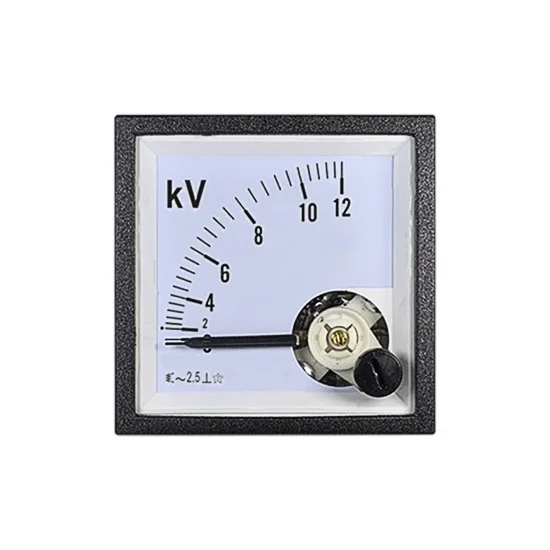
High-voltage analog voltmeter typically employs a needle or pointer on a graduated scale to indicate the voltage value. This type of voltmeter is specifically engineered to handle voltage levels beyond the range of standard analog voltmeter.
Features:
- Needle and Scale Display. The most prominent feature of an analog voltmeter is its needle or pointer that moves across a calibrated scale. The position of the needle indicates the voltage being measured.
- Analog Technology. Analog voltmeters use analog components such as moving coils, magnets, and springs to create the mechanism that translates voltage into needle movement.
- Range Selection. Analog voltmeters often come with multiple voltage measurement ranges. Users can select the appropriate range based on the expected voltage to achieve better accuracy and resolution.
Specification:
- Model: ATO-YT48-KV
- Measuring Range: 3.6-40 kV (other range, contact us)
- Accuracy Class: 2.5
- Display Type: analog only
- Overload Ratio: 200%
- Damping Time: ≤4s
- Operating Temperature: 0-55 ℃
- Mode of Installation: mounted perpendicular to horiaaontal
- Weight: 1 kg
Wiring Diagram:
Dimension:
Tips: How to Maintain Analog AC Voltmeter?
- Cleaning. Keep the voltmeter clean from dust, dirt, and moisture. Use a soft, lint-free cloth to wipe the surface of the instrument. Avoid using abrasive materials or strong cleaning agents that could damage the scale or the housing.
- Storage. Store the voltmeter in a cool, dry place when it’s not in use. Excessive heat, humidity, and temperature fluctuations can affect the accuracy and performance of the meter.
- Avoid Mechanical Shocks. Analog meters have delicate internal components. Avoid subjecting the meter to rough handling, drops, or mechanical shocks, as these can lead to misalignments or damage.
Reviews
There are no reviews yet.